
Body Contouring is a category of Plastic Surgery focused on improving the shape and proportions of the body after weight loss, pregnancy, aging, genetics, or changes in skin and tissue quality.
It is not one procedure.
Body Contouring may involve removing loose skin, reducing localized fat, lifting sagging tissue, tightening specific areas, or combining multiple procedures to create a more balanced silhouette.
At American Plastic Surgery Insider, this guide was created to help patients understand Body Contouring in a more honest and practical way.
A strong Body Contouring plan should usually focus on:
Body Contouring is not about chasing a perfect body. It is about improving the relationship between skin, fat, tissue support, and body proportion in a realistic way.
Body Contouring can include different procedures depending on the patient’s concerns.
Common procedures may include:
Some patients need one procedure.
Others need a staged plan involving multiple areas over time.
This is why Body Contouring should not be treated as a standard package.
The right plan depends on where the problem is coming from: fat, loose skin, weak tissue support, muscle separation, or a combination of factors.

One of the biggest mistakes patients make is assuming every contour issue is fat.
It is not.
A fuller or less defined area may be caused by:
This distinction matters because each problem requires a different solution.
Liposuction may help with fat, but it cannot remove large amounts of loose skin.
A Tummy Tuck may help with abdominal skin and muscle separation, but it is not a weight loss procedure.
A Body Lift may help after major weight loss, but it requires longer scars and a more involved recovery.
A good Body Contouring surgeon should diagnose the real issue before recommending the procedure.
If the diagnosis is wrong, the result may disappoint the patient.

Patients who have lost a significant amount of weight often have different needs than patients who simply want localized fat reduction.
After major weight loss, the main concern is often not fat.
It is usually loose skin and tissue laxity.
Common concerns may include:
For these patients, Liposuction alone is often not enough.
Skin removal procedures may be necessary to create meaningful improvement.
After major weight loss, Body Contouring is often about removing excess skin and reshaping the body, not simply removing fat.
Patients should be prepared for the tradeoff:
Better contour often requires longer scars.
Some patients consider Body Contouring while they are still above their ideal or healthiest weight.
This does not automatically mean surgery is impossible, but it does require a more careful conversation about safety, expectations, and timing.
A surgeon should evaluate:
Patients who are significantly above a healthy or stable weight may face higher risks and less predictable results.
Body Contouring usually works best when the patient is at a stable, maintainable weight, not necessarily the lowest possible weight.
A responsible surgeon may recommend weight stabilization, medical optimization, staging procedures, or delaying surgery if that creates a safer and better long-term outcome.
Pregnancy can affect the body in several layers.
The changes may involve:
For some patients, the right plan may involve a Tummy Tuck, Breast Surgery, and Liposuction.
For others, a smaller or more focused plan may be enough.
The key is not to assume that every post-pregnancy patient needs the same combination.
A good surgical plan should be based on the patient’s current anatomy, not the fact that she has had children.

This is one of the most important decisions in Body Contouring.
Liposuction removes fat.
Skin removal removes loose skin.
Patients with good skin elasticity and localized fat may do well with Liposuction.
Patients with loose, stretched, or hanging skin may need surgical skin removal.
If Liposuction is performed in an area with poor skin elasticity, the result may look looser, uneven, or less defined.
This is especially important in areas such as:
If the skin cannot retract, removing fat may make the skin problem more visible.
This is where honest consultation matters.
A surgeon should explain whether the patient needs fat removal, skin removal, or both.
Body Contouring often involves scars.
This is especially true when loose skin must be removed.
Common scar locations may include:
Scars are not a sign that surgery failed.
They are part of the tradeoff when removing excess skin.
A responsible surgeon should explain:
Patients should be cautious when anyone promises dramatic skin removal with minimal or invisible scarring.
That is usually not realistic.
Some Body Contouring plans can be done in one surgery.
Others should be staged.
Staging means separating procedures into multiple operations over time.
This may be recommended when:
Patients often prefer one surgery because it sounds more convenient.
But convenience should not control safety.
Sometimes the safest and best result comes from doing less at one time and planning the transformation in stages.
A surgeon who recommends staging is not necessarily being conservative without reason.
They may be protecting the patient.

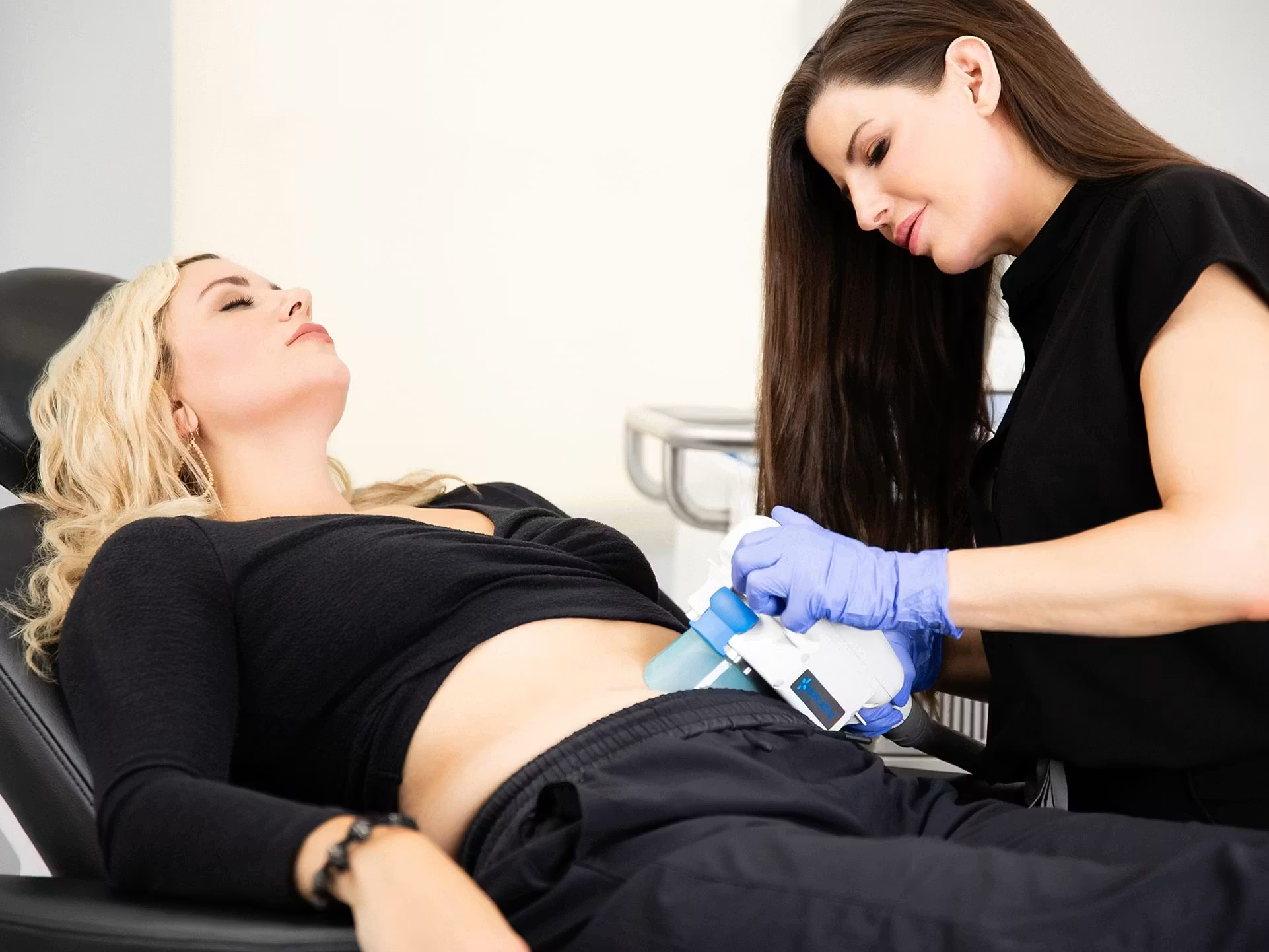
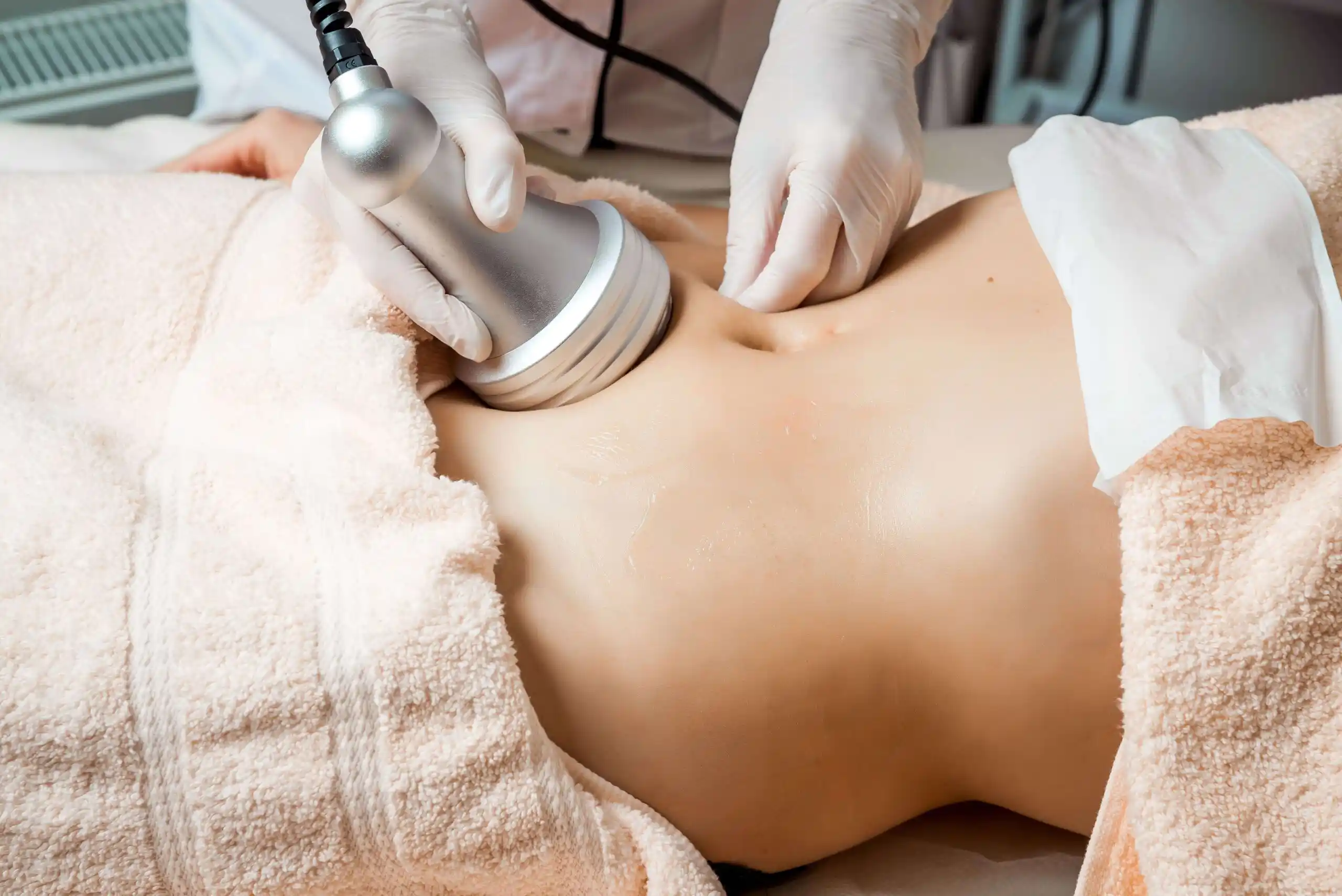
Modern Body Contouring may involve different technologies used to assist with fat removal, tissue tightening, precision, or contour refinement.
These may include:
These tools can be useful in selected cases.
They may help with certain types of fat, contour refinement, tissue contraction, or more advanced definition.
But technology has limits.
A device does not replace surgical judgment.
Technology cannot make a poor candidate into a good candidate. It cannot erase severe loose skin. It cannot guarantee smooth contour. It cannot replace proper diagnosis.
Patients should be cautious when a consultation focuses more on the machine than the surgical plan.
High-definition Body Contouring is designed to create more visible shape, athletic definition, and contour lines.
It may involve Liposuction and advanced sculpting techniques.
This can be appealing, but it is not right for every patient.
Good candidates often need:
When done well, high-definition contouring may look athletic and refined.
When done poorly, it can look artificial, irregular, or overly carved.
The goal should be enhancement of natural anatomy, not forced definition that does not match the patient’s body.

When properly planned, Body Contouring can create meaningful improvement.
Potential benefits may include:
For many patients, Body Contouring is not about vanity.
It is about addressing changes that diet, exercise, and weight loss could not fully correct.
The best results usually look balanced, proportional, and appropriate for the patient’s frame.
Body Contouring can be transformative, but patients should understand the reality.
Important considerations include:
Patients should also understand that improving one area may reveal imbalance in another.
For example, improving the abdomen may make untreated flanks or thighs more noticeable.
This does not mean the surgery failed.
It means Body Contouring is about proportion across the whole body.
Body Contouring marketing often uses dramatic transformations.
Some are real.
Some are influenced by lighting, posing, weight loss, swelling stage, camera angles, editing, or procedure combinations that are not fully explained.
Patients should be cautious when they hear:
These claims should be questioned.
If the conversation sounds more like a transformation sale than a medical evaluation, patients should slow down.
Body Contouring is real surgery.
It should be planned with seriousness.

Patients should look for a surgeon with experience in the specific type of Body Contouring they need.
Not every surgeon who performs Liposuction is the right surgeon for massive weight loss skin removal.
Not every surgeon who performs Tummy Tuck is the right surgeon for complex Body Lift surgery.
Patients should evaluate:
A strong surgeon should be able to explain:
The right surgeon should be willing to say no to the wrong plan.
That is often a sign of good judgment.
Patients should ask direct questions before moving forward.
Important questions include:
A good consultation should make the patient more informed, not simply more excited.
Excitement is normal.
But clarity is more important.
Before-and-after photos are useful, but they should be reviewed carefully.
Look for:
Do not focus only on the most dramatic image.
Ask what procedures were performed.
A patient who had Tummy Tuck, Liposuction, Breast Lift, and Body Lift cannot be compared to a patient who only had Liposuction.
Good before-and-after photos should clarify what is possible, not create unrealistic expectations.

Body Contouring recovery depends on the procedures performed.
Early recovery may involve:
Patients may need help with:
Recovery should be planned before surgery.
This is especially important for patients having larger procedures or multiple areas treated.
A successful Body Contouring experience depends not only on the operation, but also on the recovery plan.
Safety should always come first.
Before surgery, patients should understand:
Body Contouring results can be long-lasting, but they are not immune to life.
Results may change with:
The best long-term outcomes usually come from:
Body Contouring should not be sold as a shortcut to a perfect body. It should be planned as a serious, customized process to improve shape, comfort, and proportion.

American Plastic Surgery Insider features selected Plastic Surgeons with experience in Body Contouring, Liposuction, Tummy Tuck, post-weight-loss surgery, and advanced body reshaping procedures.
These profiles are designed to help patients better understand:
Choosing the right Body Contouring surgeon requires research, patience, and honest expectations.
The goal is not to do the most procedures possible or chase the most dramatic transformation.
The goal is to choose the right surgeon, the right sequence, and the safest plan for your body, your recovery, and your long-term result.
